
When most homeowners think about replacing windows, they think about performance: energy efficiency, durability and cost. Window style often gets less attention, even though choosing the wrong style for a particular opening can affect how a room functions, how the home looks from the street and how easy the windows are to operate and maintain for years to come.
Window styles are not interchangeable. Each type has specific strengths, limitations and ideal applications. Understanding the differences helps you make a choice you will be satisfied with long after the installation crew has packed up and left.
This guide covers the most common residential window styles available for Northern Indiana homes, what each one does well, where each one falls short and how to match the right style to each location in your home.
Double-Hung Windows
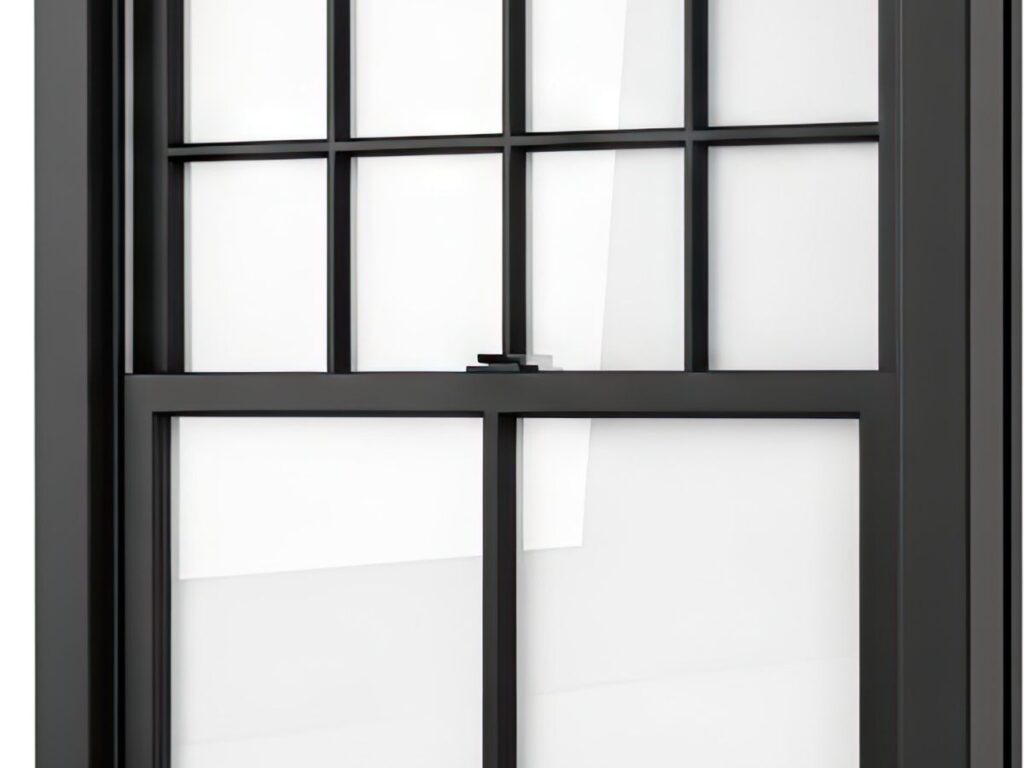
The double-hung window is the most widely installed residential window style in the United States and by far the most common in Northern Indiana homes. It consists of two operable sashes, one upper and one lower, that slide vertically within the frame. Both sashes can be raised or lowered independently, allowing ventilation from the top, the bottom or both.
Strengths
Double-hung windows are versatile, straightforward to operate and easy to clean. Most modern double-hung windows tilt inward, allowing both the upper and lower sash to be cleaned from inside the home without ladders or exterior access. This is a significant practical advantage, particularly for second-story windows or windows that face a deck, porch or other area where exterior access is limited.
They fit standard rough openings and are available from virtually every manufacturer in a wide range of sizes, colors and glass packages. The simplicity of their design means there are fewer mechanical components to fail compared to windows with crank operators or more complex hardware. For homeowners who want a low-maintenance, reliable window that works well in almost any location, the double-hung is the default choice for good reason.
Limitations
Double-hung windows do not seal as tightly as casement windows when closed. The sash slides within the frame, which means there is inherent clearance between the sash and the frame to allow movement. Even with good weatherstripping, a casement window that compresses its seal when the crank is closed will typically outperform a double-hung in air tightness. For homeowners prioritizing maximum thermal performance in specific locations, this is worth considering.
Best applications
- Bedrooms, living rooms and any location where easy cleaning from inside matters
- Openings where a standard, predictable appearance is desired
- Locations where the window needs to work as emergency egress from a sleeping area
- Second-story windows where exterior access for cleaning is inconvenient
Casement Windows
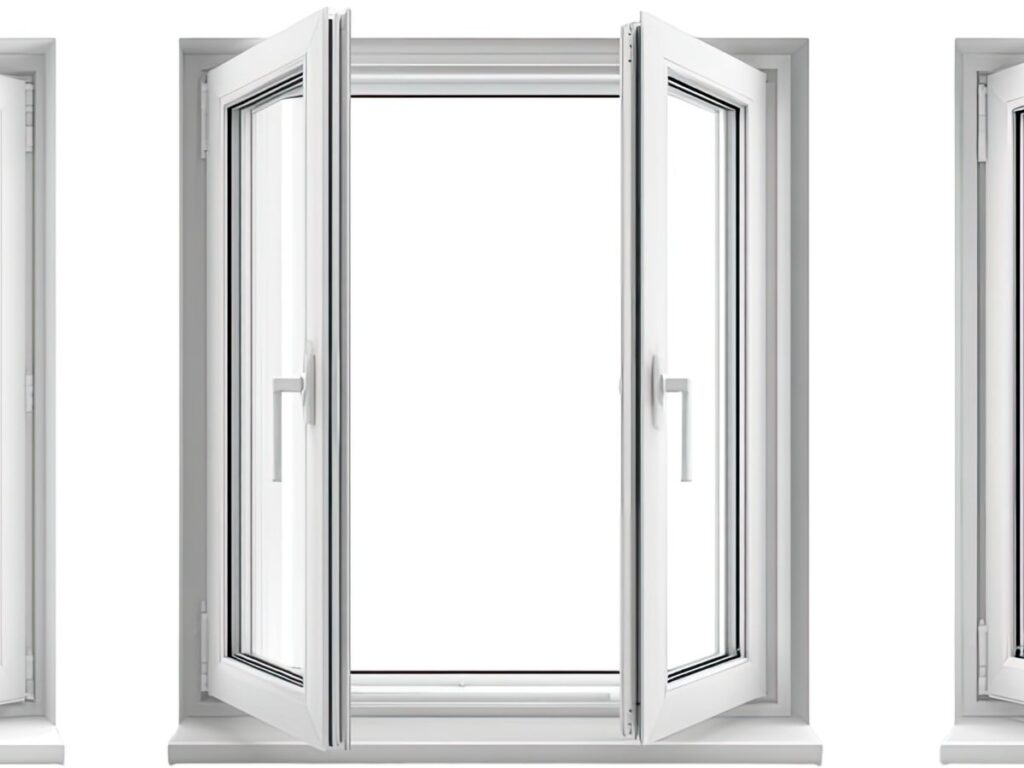
A casement window is hinged on one side and swings outward when a crank at the base of the frame is turned. When fully closed, the sash presses against the frame compressing the weatherstripping seal around the entire perimeter. This compression seal is the defining characteristic of the casement window and the reason it is the preferred choice when maximum air tightness is the priority.
Strengths
Casement windows create a tighter seal than double-hung windows when properly closed. The compression seal around all four sides of the sash eliminates the sliding clearance that double-hung windows require. In terms of air leakage performance, a quality casement window outperforms a comparable double-hung, which matters most in locations exposed to prevailing winds or in high-performance homes where minimizing air infiltration is a priority.
Casement windows also offer unobstructed views because there is no center rail dividing the glass as there is in a double-hung. A single large pane of glass provides a cleaner sight line to the outdoors. And because the sash swings fully open, casement windows provide excellent ventilation relative to their frame size, channeling breezes into the home more effectively than a partially raised double-hung sash.
Limitations
Casement windows have a crank operator that adds a mechanical component that can wear or fail over time. Operators are generally replaceable, but it is an additional maintenance consideration. More importantly, casement windows swing outward, which means they require clear exterior space. A casement window above a walkway, porch or air conditioning unit will be obstructed when open and may pose a hazard. They also require the homeowner to reach across the sill to crank them open, which can be awkward for windows above a kitchen counter or deep countertop.
Best applications
- Locations exposed to prevailing wind where maximum air tightness is a priority
- Openings where unobstructed views are important, such as in a living room or dining area overlooking a yard or landscape
- Bathrooms and kitchens where ventilation is frequently needed and the window can be cranked fully open
- Locations where the exterior is clear of obstructions that would prevent the sash from swinging open
Slider Windows
A slider window operates on a horizontal track, with one or both sashes sliding left or right to open. The simplicity of the horizontal sliding mechanism makes sliders one of the most straightforward window types to operate and maintain. They are a natural fit for wide, low openings where a double-hung or casement window would not work as well proportionally.
Strengths
Sliders are easy to operate, even for people with limited grip strength or mobility, because the sash glides horizontally with minimal resistance. They have no springs, counterbalances or crank operators to wear out. The sliding mechanism is simple and durable. For wide, shallow openings such as those in a basement egress window or a horizontal band window in a contemporary-style home, sliders provide a proportionally appropriate look that other window types cannot match.
Limitations
Like double-hung windows, sliders use a sliding rather than compression seal, so they do not achieve the same air tightness as a casement. They also open to only half their frame width at maximum, since one sash is always fixed or at least partially covering the opening. Cleaning the exterior of the fixed sash typically requires removing it from the frame, a process that varies by manufacturer.
Best applications
- Wide, low openings where a horizontal orientation suits the proportions of the window
- Basement windows, especially egress windows where code requires a minimum opening size
- Contemporary or modern home designs where horizontal lines are part of the architectural language
- Locations where ease of operation is a priority and the tightest possible air seal is not the primary concern
Picture Windows
A picture window is a fixed, non-operable window. It does not open. Its entire function is to admit light and provide a view. Because it has no moving parts, no hardware, no weatherstripping that wears and no sash that can shift over time, a picture window is the most thermally efficient window type by a significant margin. A fixed window with a quality insulated glass unit eliminates all the air infiltration pathways that operating windows inherently have.
Strengths
Picture windows maximize the glass area within a given rough opening because there is no frame space lost to operable sash components or hardware. They provide the clearest, most unobstructed view of any window type. They are typically the most affordable option per square foot of glass area. And because they cannot open, they have no operating hardware to fail or maintain.
Limitations
The obvious limitation is that a picture window provides no ventilation. In locations where air circulation matters, a picture window alone is not sufficient. Picture windows are frequently combined with adjacent casement or double-hung units to provide a visually striking expanse of glass while still allowing ventilation. This combination approach is common in living rooms and great rooms where a large window wall is desired.
Best applications
- Living rooms, great rooms and dining areas where light and views are the priority
- Stairwell windows, transom windows above doors and other locations where ventilation is not needed
- Combination installations paired with operable units to create large window compositions
- Any location where maximizing the glass area and minimizing the frame is the design goal
Bay and Bow Windows
Bay and bow windows project outward from the exterior wall of the home, creating an alcove or nook on the interior and a distinctive architectural feature on the exterior. A bay window typically has three panels at angles, most commonly 30 or 45 degrees, with a large center panel flanked by two angled side units. A bow window uses four, five or more panels of equal size in a gradual curve.
Strengths
Bay and bow windows add usable interior space, architectural character and a dramatic amount of natural light to a room. The interior ledge created by a bay window is a natural seat, plant shelf or display area. The exterior projection creates a focal point on the home’s facade that dramatically enhances curb appeal. For a living room, master bedroom or dining room where you want to create a statement, a bay or bow window is the most impactful single window upgrade available.
Limitations
Bay and bow windows are significantly more expensive than standard window replacements. The installation involves not just the window units but also the structural framing to support the projection, exterior roofing or cladding for the top of the bay, and interior finishing of the sill and seat area. The total cost of a bay window installation can range from $3,000 to $8,000 or more depending on size and complexity. They also require more care to properly flash and waterproof the intersection between the window projection and the main wall, which is a common source of water infiltration issues if the installation is not done correctly.
Best applications
- Living rooms and dining rooms where a statement window and added natural light are the priority
- Master bedrooms where a window seat or reading nook is desired
- Front-facing elevations where curb appeal is a significant consideration
- Homes where the architectural style supports the traditional or transitional character of a bay window
Choosing the Right Style for Each Opening in Your Home
Most whole-home window replacement projects use a mix of window styles rather than a single type throughout. The most common approach is double-hung windows in bedrooms and secondary spaces for their ease of cleaning and reliable performance, casement windows in kitchens and bathrooms where tight sealing and good ventilation matter, picture windows or picture-and-casement combinations in primary living spaces where views are the priority, and specialty windows such as awnings or transoms above doors and in locations where a standard type would not fit.
The right answer for your home depends on the specific rough openings, your architectural style, how each room is used and your budget. A reputable window contractor will walk you through the options for each opening and help you make choices that balance function, appearance and cost.
Tri-State Exteriors installs all window styles for homeowners across Fort Wayne, Huntington, Auburn and surrounding Northern Indiana communities. Our window installation services include a full consultation on window style, glass package and material so you get exactly the right window in every opening.
Get a Free Window Consultation in Northern Indiana
Ready to explore your window replacement options? Tri-State Exteriors provides free, no-obligation consultations for homeowners across Northern Indiana. We will walk through your home, assess each opening and give you clear recommendations on style, performance and pricing. Contact us today or call (260) 444-7448 to get started.
Replacing windows is also an ideal time to evaluate your siding. New windows in aging siding can highlight the contrast between old and new materials, and combining projects in a single visit from a contractor often reduces overall labor cost. Learn about siding installation options from Tri-State Exteriors.
Tri-State Exteriors | Serving Fort Wayne, Auburn, Huntington & Northern Indiana | (260) 444-7448 | tri-stateexteriors.net