
After a windstorm passes through Northern Indiana, you notice shingles scattered across your lawn. The question keeping you up at night is whether your insurance will cover the damage or if you’re looking at an out-of-pocket repair. The answer depends entirely on whether the damage is storm-related or the result of normal aging and wear.
Insurance adjusters are trained to distinguish between wind damage and normal roof deterioration. Understanding the difference yourself helps you know what to expect when filing a claim and prevents costly surprises when your adjuster arrives for inspection.
What Wind Damage Actually Looks Like
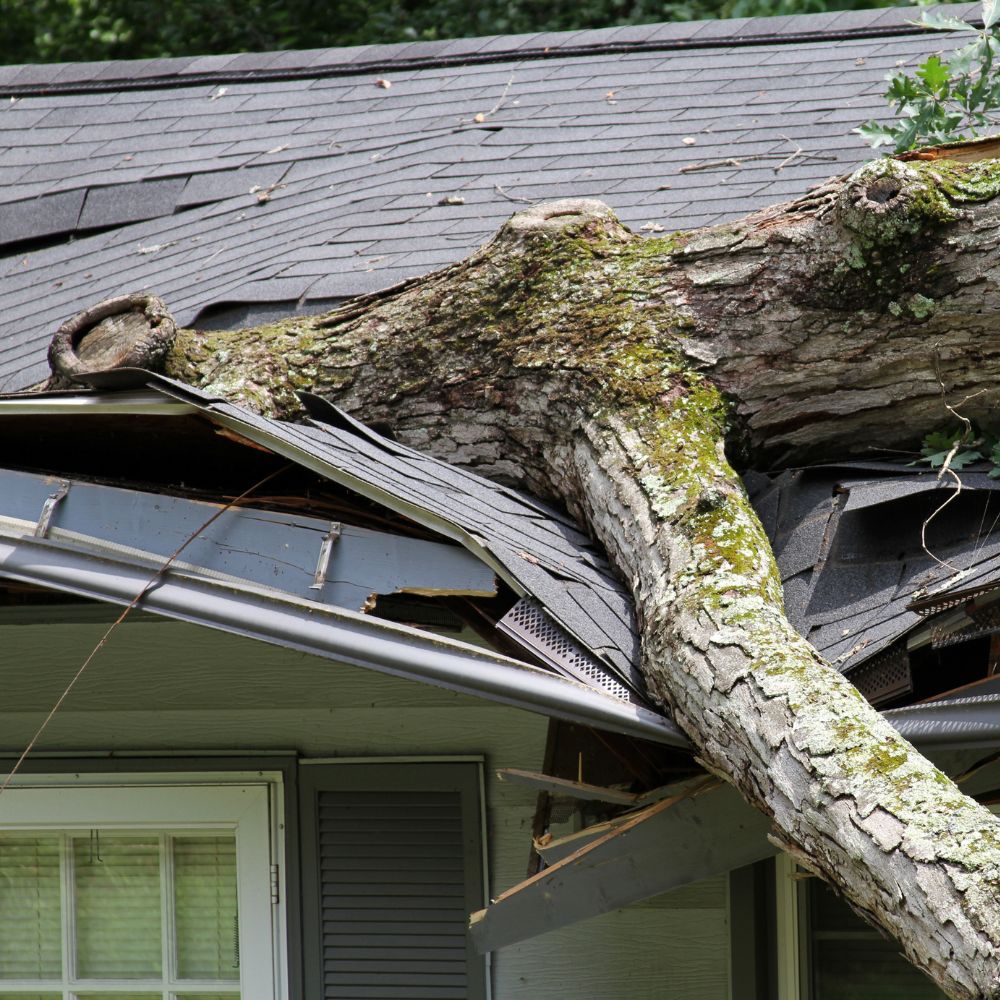
Wind damage to roofing materials has distinct characteristics that separate it from gradual deterioration. When strong winds hit your roof, they create sudden, forceful impacts that leave specific patterns of damage.
The most obvious sign of wind damage is missing shingles. When wind gets underneath a shingle tab, it creates lift that can tear the shingle completely off the roof or bend it back until it breaks. You’ll often find these shingles in your yard, driveway, or gutters after a storm.
Lifted or curled shingle edges are another telltale sign. Wind doesn’t just remove shingles outright. Sometimes it lifts them partway, breaking the seal between the shingle and the underlying layer. These lifted shingles might look intact from the ground, but close inspection reveals that they’re no longer properly adhered to the roof deck.
Creased or bent shingles result from wind forcing shingles backward against their natural lay. These creases create weak points where water can eventually penetrate. The damage is often concentrated on roof sections facing the prevailing wind direction during the storm.
Recognizing Normal Wear and Aging
Every roof experiences gradual deterioration over time. Exposure to sun, rain, temperature fluctuations, and seasonal cycles slowly breaks down roofing materials. This normal aging process looks very different from storm damage.
Granule loss is one of the most common signs of aging. Asphalt shingles are covered with protective granules that shield the underlying asphalt from UV rays. Over years of sun exposure, these granules gradually wash off into gutters and downspouts. You’ll notice dark patches on shingles where granules have worn away, and you might find granule accumulation in your gutters during routine cleaning.
Uniform curling across large sections of the roof indicates age-related deterioration rather than storm damage. As shingles age, they lose flexibility and begin to curl upward at the edges or cup in the middle. This curling happens gradually across the entire roof surface, not just in isolated patches.
Brittleness and cracking develop as asphalt shingles age. The asphalt compound dries out over time, making shingles stiff and prone to cracking. When you see widespread cracking across multiple shingles with no obvious impact points, that’s typically age-related damage rather than storm damage.
Algae and moss growth signal that your roof has been exposed to moisture for extended periods. While not necessarily damage themselves, these biological growths indicate aging and can accelerate deterioration by trapping moisture against shingles.
| Uncertain whether you’re looking at storm damage or aging? Our professional roof inspection provides the definitive answer. We document everything with photos and a detailed report you can use for insurance claims. Get Your Free Damage Assessment |
Key Differences Insurance Adjusters Look For
When an insurance adjuster evaluates your roof, they’re looking for specific patterns that indicate whether damage is storm-related or age-related. Understanding their criteria helps you know what to expect during the claims process.
Pattern of damage is the first clue. Wind damage typically appears in concentrated areas or along specific roof sections, particularly south and west-facing slopes that take the brunt of prevailing winds. Age-related wear spreads uniformly across the entire roof surface with no particular concentration in high-wind areas.
Timing matters significantly. If you notice damage immediately following a documented windstorm, that’s strong evidence of storm causation. If damage appears gradually over months or years with no specific storm event, adjusters classify it as normal wear.
The condition of surrounding shingles provides context. Storm damage often shows up as damaged shingles surrounded by intact, healthy-looking shingles. Age-related damage affects all shingles relatively equally, with similar deterioration across large sections of the roof.
Roof age plays a major role. A five-year-old roof with missing shingles after a windstorm is likely storm damage. A twenty-five-year-old roof with similar missing shingles might be classified as normal end-of-life failure even if a storm occurred.
How Wind Speed Affects Damage
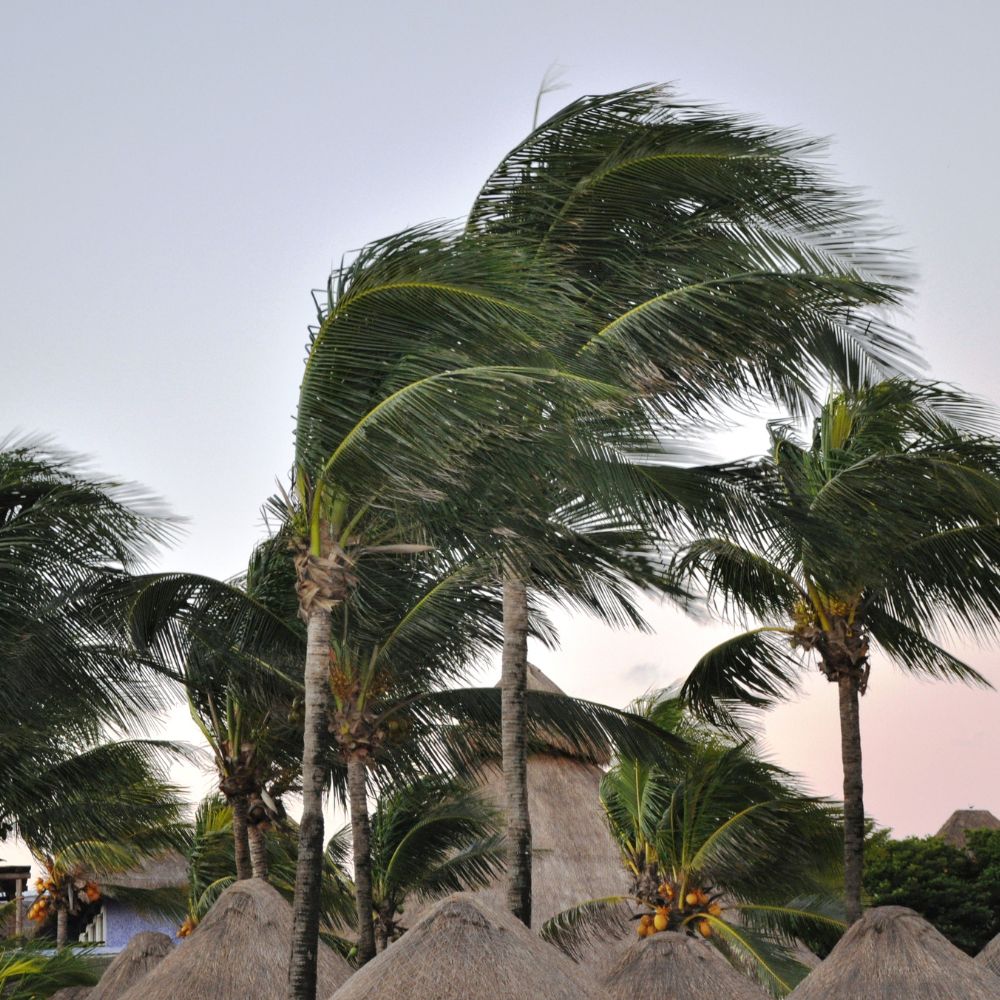
Not all wind events cause insurance-claimable damage. Understanding wind speed thresholds helps you assess whether your damage is likely covered.
Most standard asphalt shingles are rated to withstand winds up to 60 to 70 miles per hour when properly installed. Winds below this threshold shouldn’t cause damage to a well-maintained roof. If damage occurs during low-wind events, adjusters may attribute it to poor installation or existing deterioration rather than the wind itself.
Severe thunderstorm warnings are issued when winds reach 58 miles per hour or greater. When the National Weather Service documents severe winds in your area on the date you claim damage occurred, that documentation supports your insurance claim significantly.
Straight-line winds from severe thunderstorms can exceed 100 miles per hour. These extreme events can damage even new, properly installed roofs. If your area experienced documented severe winds, damage to your roof is almost certainly storm-related regardless of roof age.
Tornado damage is obviously storm-related, but even near-miss tornadoes create intense winds that can strip shingles and damage roofing systems. If a tornado touched down anywhere near your property, document that fact when filing your insurance claim.
The Role of Proper Installation and Maintenance
Even legitimate wind damage can be complicated by installation or maintenance issues. Insurance adjusters look carefully at whether the roof was properly installed and maintained before the storm.
Improper installation creates vulnerabilities that wind exploits. If shingles weren’t properly nailed, if starter strips were omitted, or if flashing was incorrectly installed, even moderate winds can cause significant damage. Adjusters may deny claims if they determine that installation defects, not wind, caused the failure.
Lack of maintenance weakens roofs over time. If gutters were clogged and caused water backup, if tree branches were allowed to scrape against shingles, or if minor damage was left unrepaired, these maintenance failures can compromise your claim. Insurance companies expect homeowners to maintain their roofs in reasonable condition.
Regular professional inspections help document your roof’s condition before storms occur. When you can show an adjuster that your roof was in good condition prior to the wind event, your claim becomes much stronger. This is why scheduling routine roof inspections matters even when you don’t suspect damage.
When Both Wind Damage and Wear Are Present
Real-world situations are rarely black and white. Often, a roof shows both storm damage and age-related wear. How adjusters handle these mixed cases significantly affects your claim outcome.
Concurrent causation clauses in insurance policies address situations where both covered events (like wind) and excluded conditions (like wear and tear) contribute to damage. Some policies cover the portion of damage attributable to the covered event. Others deny claims entirely if wear and tear contributed to failure.
Adjusters must determine the primary cause of failure. If wind was the predominant cause and age was merely a contributing factor, many policies will cover the damage. If age-related deterioration was the primary cause and wind was simply the final trigger, coverage may be denied.
This is where documentation becomes critical. Professional assessments that distinguish between wind-caused damage and pre-existing wear strengthen your negotiating position with your insurance company. Detailed photos showing the specific characteristics of wind damage versus aging help make the case that the storm, not time, caused the failure.
What to Do Immediately After Wind Damage
Your actions immediately following suspected wind damage can significantly impact your insurance claim outcome.
Document everything right away. Photograph all visible damage from multiple angles. Collect any shingles that blew off and save them as evidence. Note the date and time of the wind event. If the National Weather Service issued warnings or documented severe winds, save that information.
Make temporary repairs to prevent further damage, but don’t make permanent repairs before the adjuster visits. Your insurance policy requires you to mitigate damage, so covering holes with tarps or boarding up exposed areas is appropriate. Just save all receipts for temporary repairs to submit with your claim.
Schedule a professional inspection promptly. An experienced roofing contractor can identify all damage, including issues that aren’t visible from the ground. At Tri-State Exteriors, our wind damage assessments document everything in detail, giving you comprehensive evidence to support your insurance claim.
Contact your insurance company within the timeframe specified in your policy. Most policies require prompt notification of damage, typically within 30 to 60 days. Delayed reporting can complicate claims or lead to denial.
Common Misconceptions About Wind Damage
Several myths about wind damage and insurance coverage persist among homeowners. Clearing up these misconceptions helps you make informed decisions.
Myth number one is that all missing shingles are covered by insurance. Reality is more nuanced. If shingles blew off during documented severe winds and your roof is relatively young and well-maintained, coverage is likely. If shingles came loose during normal winds because they were old and deteriorated, coverage is unlikely.
Another misconception is that cosmetic damage doesn’t matter. Actually, cosmetic damage often indicates underlying structural issues. Those lifted shingle edges that look merely unsightly create pathways for water intrusion that can cause serious damage over time.
Some homeowners believe that if their roof is old, they can’t get wind damage covered. This isn’t entirely true. While age affects claims, documented severe wind damage to even older roofs may be covered, though your payout might be reduced based on depreciation.
Finally, many people think they can easily tell wind damage from wear on their own. Professional assessment is almost always necessary. Trained inspectors identify subtle differences that homeowners miss, and their professional documentation carries weight with insurance adjusters.
Choosing Between Repair and Replacement
Once you’ve determined that you have legitimate wind damage, the question becomes whether to repair affected areas or replace the entire roof.
Localized roof repair makes sense when wind damage is limited to specific sections and your roof is relatively young. If only one or two slopes were affected and the rest of your roof remains in good condition, targeted repairs are cost-effective and maintain the integrity of your roofing system.
Full replacement becomes the better option when damage is widespread or when your roof is approaching the end of its expected lifespan. If wind damage affected multiple roof sections and your roof is over fifteen years old, replacement might be more economical long-term than patching an aging system.
Insurance coverage influences this decision significantly. Some policies pay actual cash value, which accounts for depreciation. Others offer replacement cost coverage. Understanding your coverage helps you make informed decisions about repair versus replacement.
Professional contractors help you navigate these decisions. We’ll assess the extent of damage, evaluate your roof’s overall condition, and help you understand your options. Whether you need localized repairs or complete replacement, we provide honest recommendations based on what’s best for your home and budget.
Preventing Future Wind Damage
While you can’t control the weather, you can take steps to make your roof more resistant to wind damage.
Proper installation is your first line of defense. When it’s time to replace your roof, work with contractors who follow manufacturer specifications precisely. Properly nailed shingles, correctly installed starter strips, and quality underlayment all increase wind resistance significantly.
Choose wind-resistant shingles when replacing your roof. Many manufacturers offer shingles rated for higher wind speeds, sometimes up to 130 miles per hour. These upgraded shingles cost slightly more but provide superior protection in storm-prone areas.
Consider metal roofing for maximum wind resistance. Metal roofs can withstand winds up to 140 miles per hour when properly installed. They also last significantly longer than asphalt shingles, typically 40 to 70 years compared to 20 to 30 years for asphalt.
Regular maintenance keeps your roof in optimal condition. Trim overhanging tree branches that could damage shingles during storms. Keep gutters clean so water drains properly. Replace any damaged or missing shingles promptly before small issues become major problems.
Schedule annual inspections to catch developing problems early. Small issues like lifted shingles or missing sealant are easy and inexpensive to fix when caught early. Left unaddressed, they become vulnerabilities that wind exploits during the next storm.
Get Expert Assessment of Your Roof Damage
Determining whether roof damage is wind-related or age-related isn’t always straightforward. The distinction matters enormously when dealing with insurance claims and repair decisions. Professional assessment removes the guesswork and provides the documentation you need.
At Tri-State Exteriors, we’ve helped countless Northern Indiana homeowners navigate wind damage claims and repairs. Our detailed inspections identify all damage, distinguish between storm impacts and normal wear, and provide comprehensive documentation that insurance adjusters respect.
We understand the stress of dealing with roof damage and insurance claims. Our goal is to make the process as straightforward as possible while ensuring you get fair treatment from your insurance company.
| Know Exactly What You’re Dealing WithOur professional wind damage assessment gives you the answers you need for insurance claims and repair decisions. Call (260) 444-7448 today. Schedule Your Free Wind Damage Inspection |